Weird Garden: Integrating a Quirky Display Font into Professional Design Workflows
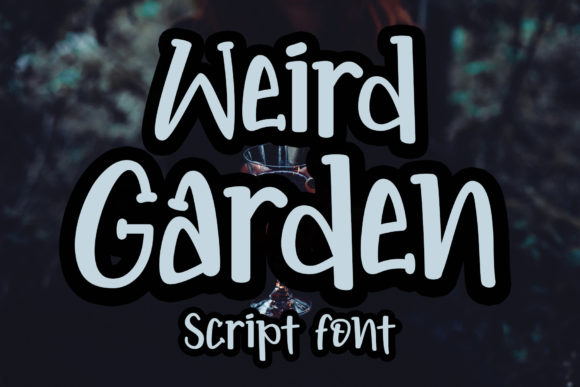
In the landscape of digital design, typography is rarely just about readability; it is a primary vehicle for tone, atmosphere, and brand identity. While sans-serif fonts dominate corporate communications and serif fonts anchor traditional publishing, there exists a niche category for display fonts that prioritize character over convention. Weird Garden falls squarely into this category. It is a cool, quirky, and spooky display font crafted specifically for designers seeking a beautiful and refreshing look that breaks away from the sterile uniformity of standard typefaces.
For professionals ranging from freelance graphic designers to small business owners in the creative sector, integrating a font like Weird Garden requires more than simply selecting it from a dropdown menu. It demands an understanding of context, hierarchy, and workflow integration. This article explores how to practically implement Weird Garden into various design processes, ensuring that its unique aesthetic enhances rather than hinders communication.
Understanding the Role of Weird Garden in Visual Hierarchy
Before diving into technical implementation, it is essential to define where Weird Garden sits within a broader typographic system. Display fonts are designed to be seen, not read at length. They function as visual anchors. Weird Garden, with its distinctively irregular and slightly eerie structure, acts as a statement piece. It is not intended for body text or dense informational blocks. Instead, it serves as a headline, a logo element, or a decorative accent that draws the eye immediately.
The "spooky" and "quirky" nature of the font suggests specific use cases. It is particularly effective in industries where personality is paramount. Think horror-themed events, indie game development, boutique Halloween shops, or creative portfolios that wish to signal non-conformity. However, its utility extends beyond seasonal themes. The "refreshing" aspect mentioned in its description implies a sense of novelty. In a feed saturated with clean, minimalist Helvetica or Arial variants, Weird Garden offers a jolt of organic texture.
Compatibility with Modern Design Aesthetics
One common challenge in using highly stylized fonts is balancing them with modern, clean design trends. The key to successful integration is contrast. If your layout features complex imagery or busy backgrounds, Weird Garden might create visual noise. Conversely, pairing it with ample white space and simple geometric shapes allows the font’s quirks to shine without overwhelming the viewer. This principle of contrast is fundamental to workflow efficiency; it reduces the need for excessive post-production adjustments to fix legibility issues.
- High Contrast Pairings: Use a neutral, clean sans-serif for supporting text to ground the whimsy of Weird Garden.
- Solo Impact: Allow Weird Garden to stand alone on posters or social media graphics where no other text competes for attention.
- Textural Balance: Combine with flat colors or subtle gradients to prevent the intricate details of the letters from getting lost.
Integration into Pre-Production Planning
Effective design workflows begin long before the first pixel is placed. For projects involving Weird Garden, preparation involves defining the emotional objective of the piece. Because the font carries strong connotations of quirkiness and spookiness, it can easily veer into caricature if used incorrectly. Therefore, the planning phase must include a clear brief that outlines the desired mood.
Consider the target audience. Adults aged 20–50, who form the core demographic for many digital products, appreciate authenticity but also value clarity. A design that is too chaotic fails to communicate effectively. When incorporating Weird Garden, ask yourself: Does this font serve the message, or is it merely decorative? If the goal is to evoke curiosity or playfulness, Weird Garden is a strong candidate. If the goal is to convey trustworthiness and stability, it may be inappropriate regardless of its aesthetic appeal.
During the asset organization phase, ensure you have the correct file formats. Display fonts often require OpenType (.otf) or TrueType (.ttf) files to access advanced ligatures and alternate characters. These alternates are crucial for maintaining consistency. Some glyphs in Weird Garden may have multiple variations that allow for different stylistic choices within a single word. Having these accessible in your design software’s panel streamlines the process, allowing you to tweak individual letters for better visual balance without leaving the workspace.
Execution Strategies for Different Media
The implementation of Weird Garden varies significantly depending on the medium. Digital screens offer flexibility that print does not, but they also present challenges regarding resolution and scalability.
Digital Interfaces and Social Media
In the realm of social media marketing, attention spans are short. Weird Garden can be an excellent tool for grabbing attention in the first three seconds of a video or the initial glance at a static image. However, legibility on mobile devices is a critical constraint. Ensure that the font size is large enough to be readable on smaller screens. Test your designs across various device sizes during the execution phase. What looks imposing on a desktop monitor may become illegible clutter on a smartphone.
For web design, consider using Weird Garden for hero text or section headers. Avoid using it for navigation menus or call-to-action buttons, as users expect familiar typography for functional elements. Using a display font for interactive elements can increase cognitive load, causing users to hesitate or abandon the page. By restricting Weird Garden to non-interactive areas, you maintain usability while still injecting brand personality.
Print Materials and Physical Assets
When moving to print, such as event flyers, merchandise, or packaging, the physical properties of the font come into play. The "spooky" aesthetic can work well on dark materials, creating a striking negative space effect. However, be mindful of ink coverage. Highly detailed or thick strokes in display fonts can sometimes bleed or lose definition if printed at low resolutions. Always request proofs from your printer to check how the unique shapes of Weird Garden render in ink. This step is vital for quality control, preventing costly reprints due to poor font reproduction.
Long-Term Consistency and Brand Management
For entrepreneurs and freelancers, consistency is the cornerstone of brand recognition. Incorporating a distinctive font like Weird Garden into your brand toolkit requires careful management. It should not be used randomly across all touchpoints. Instead, establish guidelines for when and how it appears.
- Define Primary Use Cases: Specify which projects or campaigns are suitable for Weird Garden. Is it reserved for Halloween promotions? Or for a specific sub-brand?
- Create Style Guides: Document pairing rules. Show examples of approved color palettes and background treatments that complement the font.
- Archive Properly: Keep a centralized repository of your font files. As tools and operating systems update, font compatibility can shift. Regular backups ensure that your legacy designs remain editable and consistent over time.
This structured approach prevents the "font fatigue" that occurs when brands try to be everything to everyone. By limiting Weird Garden to specific contexts, you preserve its impact. Every time it appears, it signals a deliberate creative choice, reinforcing the brand’s quirky and refreshing identity.
Troubleshooting Common Workflow Friction Points
Even with careful planning, issues may arise during execution. One common problem is kerning. Display fonts often have irregular spacing requirements. Automated kerning pairs may not account for the unique shapes of Weird Garden’s characters. Manually adjusting tracking and kerning is often necessary to achieve a polished look. This adds time to the workflow, so budget accordingly during the project estimation phase.
Another issue is accessibility. Screen readers do not interpret fonts, but visual accessibility is crucial. Ensure that the contrast between Weird Garden and its background meets WCAG (Web Content Accessibility Guidelines) standards. Light gray text on a white background, for example, may be aesthetically pleasing but fails accessibility checks. Prioritize readability without sacrificing style by choosing high-contrast color combinations.
Conclusion on Practical Application
Weird Garden is more than just a decorative typeface; it is a strategic tool for designers who want to inject personality into their work. Its success depends on thoughtful integration into the broader design process. From pre-production planning and asset organization to execution across digital and print media, every step must consider the font’s unique characteristics.
By treating Weird Garden with respect—understanding its limitations, pairing it appropriately, and using it consistently—you can leverage its cool, quirky, and spooky aesthetic to create designs that are both visually striking and professionally effective. The goal is not just to make something look weird, but to make it look intentional. When executed with precision, Weird Garden becomes a powerful asset in the creator’s toolkit, helping to cut through the noise and deliver a memorable user experience.
As you move forward with your next project, consider where a touch of the unconventional could enhance your message. With proper planning and attention to detail, Weird Garden can transform a standard layout into a compelling visual narrative that resonates with your audience.