The Halloween: Integrating a PUA-Encoded Display Font into Professional Design Workflows
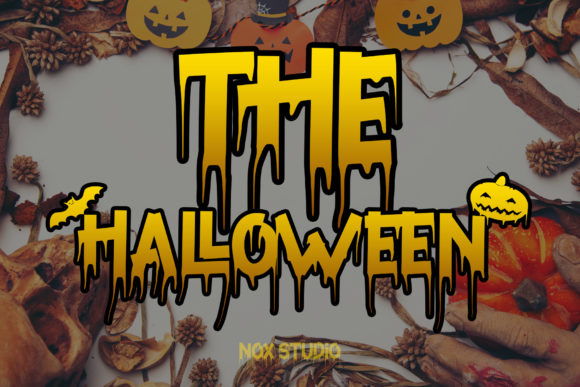
In the landscape of digital typography, selecting the right typeface is rarely just an aesthetic choice; it is a functional decision that impacts readability, brand consistency, and technical compatibility. For designers, marketers, and content creators operating within seasonal marketing cycles or thematic branding projects, The Halloween presents a specific set of opportunities and technical considerations. This cool and creepy display font is not merely a decorative element but a strategic asset when integrated correctly into broader design systems.
The primary differentiator of The Halloween is its encoding structure. As a PUA (Private Use Area) encoded font, it offers a high degree of flexibility for accessing specialized glyphs and swashes without cluttering standard character maps. However, this technical feature requires a shift in how designers prepare their assets and manage file outputs. Understanding where this font fits into your workflow—from initial concept to final deployment—is essential for ensuring that your Halloween designs instantly stand out while maintaining professional quality control.
Understanding the Technical Foundation: PUA Encoding
To utilize The Halloween effectively, one must first understand the mechanism behind its unique glyph access. Standard fonts map characters to Unicode positions, which ensures consistent rendering across different devices and software. PUA encoding, conversely, places custom glyphs—such as ornate swashes, ligatures, and thematic decorations—into the Private Use Area of the Unicode standard. These areas are reserved for private use and do not have predefined meanings in the global standard.
This approach allows designers to access all glyphs and swashes with ease, provided they know the correct input method. In a practical workflow, this means you cannot simply type "Halloween" and expect the special characters to appear automatically unless your software is configured to substitute them. Instead, you often need to use a Glyphs panel, OpenType features, or specific keyboard shortcuts to trigger these alternate forms. This adds a layer of preparation to your creative process, requiring familiarity with your design tool’s advanced typography settings.
- Accessibility vs. Control: While PUA fonts offer extensive customization, they lack universal accessibility. Screen readers may not interpret PUA characters correctly, making them unsuitable for body text or critical information.
- Software Compatibility: Most modern vector and raster graphics software supports PUA fonts via glyph panels. However, web browsers and some CMS platforms may struggle to render them without additional CSS mapping.
- Workflow Integration: Incorporating The Halloween requires a dedicated step in your production pipeline: verifying that all swashes are correctly mapped before exporting files.
Strategic Placement in Seasonal Marketing Campaigns
The Halloween excels in contexts where atmosphere and immediate visual impact are prioritized over dense information transfer. For entrepreneurs and small business owners launching seasonal promotions, this font serves as a powerful hook. It signals the theme immediately, reducing the cognitive load required for customers to identify the context of a sale or event.
When planning a campaign, consider the hierarchy of information. The Halloween should be used for headlines, logos, or key call-to-action elements where its "cool and creepy" aesthetic enhances the message. Using it for paragraphs of text will hinder readability and frustrate users. A common mistake in amateur design is overusing display fonts, which dilutes their impact. By reserving The Halloween for high-visibility elements, you ensure that each application feels intentional and premium.
Furthermore, this font interacts well with other visual assets. Its sharp, stylized forms complement horror-themed imagery, dark color palettes, and distressed textures. When integrating this font into a larger brand identity, such as a social media template pack or an email newsletter header, consistency is key. Ensure that the weight and style of The Halloween align with any secondary typefaces used for supporting text. A stark contrast between a highly decorative display font and a clean sans-serif can create visual tension that distracts from the core message.
Implementation Across Different Media Formats
The versatility of The Halloween depends heavily on the medium through which it is delivered. Each platform presents unique constraints regarding font embedding, resolution, and interactivity. Below is a breakdown of how to implement this font across common workflows.
Print Collateral and Physical Assets
For physical marketing materials like flyers, posters, and packaging, The Halloween is straightforward to implement. Since print files are static, you can convert text to outlines or embed the font fully in PDF/X standards. This eliminates the risk of missing glyphs or incorrect substitutions during the printing process. When designing for print, take advantage of the swashes to create custom lettering effects. For instance, replacing a standard 'A' with a swash variant can add a unique signature to your logo or event title.
Ensure that the contrast between the text and background is sufficient. Creepy, thin, or intricate glyphs can become illegible if printed at small sizes or on textured paper. Always run a proof print to verify that the fine details of the PUA glyphs remain crisp and distinct.
Digital Graphics and Social Media
In the realm of social media and digital advertising, speed and engagement are paramount. The Halloween helps stop the scroll by providing immediate thematic recognition. However, because social media images are compressed, complex swashes may lose detail. Test your designs at various sizes to ensure that the distinctive features of the font survive compression algorithms.
When using tools like Canva, Adobe Express, or Photoshop, utilize the glyph panel to insert specific swashes manually. Avoid relying on auto-correct or basic text entry, as these will default to standard characters. For animated posts or stories, consider animating the appearance of individual glyphs to enhance the spooky effect, leveraging the unique shapes of the PUA characters for dynamic transitions.
Web Design and Digital Publications
Implementing The Halloween on the web requires more technical foresight. Browsers do not natively support PUA fonts in the same way desktop applications do. To use this font on a website, you typically need to convert the text to SVG paths or use a JavaScript library that maps PUA codes to visual representations. Alternatively, you can export the text as a static image, though this sacrifices SEO benefits and accessibility.
If you choose to embed the font via @font-face, ensure that the subset includes only the necessary glyphs to minimize file size. Large font files can slow down page load times, negatively impacting user experience and search engine rankings. For bloggers and publishers, a hybrid approach is often best: use The Halloween for featured article titles or pull quotes, while relying on web-safe fonts for the body content. This balances aesthetic appeal with performance efficiency.
Quality Control and Long-Term Asset Management
Integrating a specialized font like The Halloween into your workflow involves more than just placing text on a canvas. It requires robust asset management and quality control protocols. Because PUA fonts rely on specific character codes, moving files between different computers or software versions can sometimes result in broken links or missing glyphs if the font is not properly embedded or installed.
Establish a standardized naming convention for your font files and keep backups in multiple formats. When handing off designs to developers or printers, provide clear documentation on how the swashes were applied. Specify which PUA codes correspond to which visual elements to prevent misinterpretation. This level of organization reduces friction in collaborative environments and ensures that the creative vision remains intact throughout the production chain.
Additionally, consider the longevity of your designs. Trends in horror aesthetics shift, but the fundamental utility of a strong display font remains. By mastering the integration of The Halloween now, you build a reusable toolkit for future seasonal campaigns. Whether you are preparing for next year’s Halloween sale or creating branded merchandise, having a well-documented process for handling PUA-encoded fonts will save time and maintain consistency across all touchpoints.
Conclusion on Practical Application
The Halloween is more than just a decorative typeface; it is a tool that demands respect for its technical nuances. By understanding its PUA encoding, strategizing its placement within visual hierarchies, and adapting its implementation to various media formats, professionals can leverage its eerie charm to create standout designs. The key lies in balancing creativity with technical precision, ensuring that every swash and glyph contributes to a cohesive, effective communication strategy.
As you incorporate this font into your upcoming projects, focus on clarity and intent. Let the cool and creepy aesthetic enhance your message rather than obscure it. With careful planning and attention to detail, The Halloween will become a reliable component in your design arsenal, helping you capture attention and drive engagement during the most competitive periods of the marketing calendar.