Deathridge: Integrating a High-Impact Display Font into Your Creative Workflow
In the landscape of graphic design and visual communication, typography is rarely just about readability; it is about attitude. For projects that demand immediate attention—particularly within the seasonal marketing calendar or niche subcultures—the choice of typeface dictates the entire emotional tone of the piece. Deathridge has emerged as a distinct solution for designers seeking a balance between legibility and theatricality. It is a cool, dramatic display font that captures the essence of gothic horror without sacrificing modern usability.
While many decorative fonts veer into illegibility or dated aesthetics, Deathridge offers a streamlined approach to dark themes. This article explores how to integrate this specific typeface into professional workflows, from initial concept development to final production across various media, including t-shirt designs, sportswear branding, and digital advertisements.
Understanding the Typography Profile of Deathridge
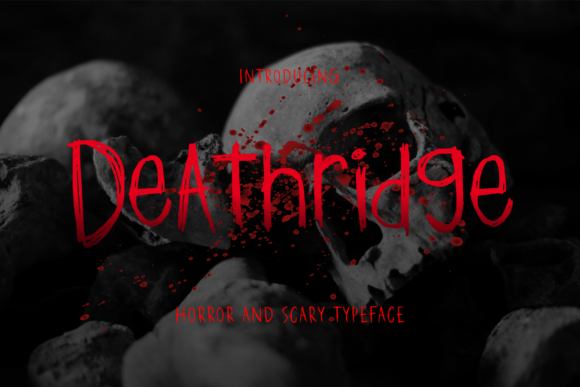
Before integrating any asset into a workflow, understanding its technical and aesthetic properties is crucial. Deathridge is not a body text font. Attempting to use it for long-form content will result in reader fatigue and poor accessibility scores. Instead, it functions best as a headline or display element. Its character set features sharp angles, irregular serifs, and a jagged texture that mimics the look of distressed stone or aged parchment.
The "cool" factor mentioned in its description stems from its restrained drama. Unlike overly ornate blackletter fonts that can feel cluttered, Deathridge maintains enough negative space to remain readable at larger sizes. This makes it particularly effective for:
- Halloween Campaigns: Where atmosphere is the primary selling point.
- Sportswear Logos: Providing an aggressive, competitive edge.
- Event Posters: Creating instant visual hierarchy.
For professionals in marketing and publishing, recognizing these boundaries early prevents costly revisions later. The font’s strength lies in its ability to convey genre instantly. When a viewer sees Deathridge, they immediately categorize the content as horror, thriller, or edgy lifestyle. Leveraging this subconscious association is key to efficient design execution.
Pre-Production: Planning and Asset Management
Integration begins before the design software is even opened. In a structured workflow, font selection is part of the broader mood board and style guide creation. If you are managing a client project for a Halloween-themed clothing line, specifying Deathridge in the brief ensures alignment between the creative director, the designer, and the client.
Licensing and Compatibility
One of the most common friction points in design workflows is licensing. Deathridge, like many premium display fonts, may have specific usage rights depending on whether it is used for personal projects or commercial goods (such as print-on-demand t-shirts). Professionals must verify the license terms regarding:
- Digital Use: Web banners, social media graphics, and email newsletters.
- Physical Merchandise: Printing on apparel, posters, or packaging.
- Resale Rights: Whether the font file itself can be distributed (usually no).
Organizing your assets library with clear tags such as "Halloween," "Display," and "Commercial License" streamlines future searches. When you need a quick solution for a last-minute ad campaign, having Deathridge readily accessible and properly licensed saves valuable time.
Implementation in Graphic Design Workflows
Once the asset is secured, the implementation phase involves balancing Deathridge with complementary elements. Because the font is visually heavy, it requires careful handling of contrast, spacing, and background textures.
Pairing Strategies
A common mistake is pairing a dramatic display font with another complex typeface. This creates visual noise. To maintain professionalism, pair Deathridge with clean, neutral sans-serif fonts for secondary information. For example:
- Headline: Deathridge (Large, bold)
- Body Text: Helvetica Neue, Roboto, or Open Sans (Small, regular)
This combination allows the dramatic impact of Deathridge to shine while ensuring that details like dates, prices, and instructions remain legible. This hierarchy is essential for conversion-focused designs, such as landing pages or event flyers.
Kerning and Tracking Adjustments
Display fonts often come with default kerning that works well at large sizes but may fail when scaled down. In a quality control checklist, always review text at 100% zoom. With Deathridge, pay attention to the gaps between letters like 'A' and 'V', or 'W' and 'O'. Tightening tracking slightly can create a more cohesive block of text, which is useful for logo lockups or badge designs.
Application Across Specific Media
The versatility of Deathridge allows it to fit into diverse output formats. Here is how it interacts with different production pipelines.
Apparel and Sportswear
In the fashion industry, typography is a central design element. Deathridge fits naturally into streetwear and athletic branding where aggression and energy are desired. When preparing files for screen printing or DTG (Direct-to-Garment) printing, consider the following:
- Vectorization: Ensure the font is converted to outlines/paths to prevent substitution errors on the printer’s end.
- Color Contrast: Dark gray text on black fabric may lose detail. Use white or bright accent colors to ensure the jagged edges of the font remain visible.
- Placement: Center chest prints work well for logos, while back prints can utilize longer phrases. The font’s height allows it to command attention on the upper back of a jersey or hoodie.
Digital Advertisements and Social Media
For marketers running paid campaigns, click-through rates depend on immediate comprehension. Deathridge grabs attention in a crowded feed. However, mobile optimization is critical. Test your designs at small viewport widths. If the text becomes pixelated or illegible on a smartphone screen, the font size must be increased, or the surrounding whitespace adjusted.
Use Deathridge for the hook—the main value proposition or event title. Keep the call-to-action button text in a simpler font to guide the user’s eye toward the next step. This separation of concerns improves user experience and reduces bounce rates.
Logo Design and Branding
Using a display font for a permanent logo carries risk. Trends change, and overly thematic fonts can date a brand quickly. However, for temporary brands, event-specific lines, or niche products (like a horror movie franchise or a specialized gym), Deathridge provides instant identity. If using it for a logo, create a custom wordmark rather than relying solely on the default font rendering. Modify the terminals or add custom graphical elements to make the logo unique and trademarkable.
Long-Term Maintenance and Consistency
Consistency is the hallmark of professional design. If you decide to adopt Deathridge as a staple for your Halloween or horror-themed projects, document its usage rules. Create a mini-style guide that includes:
- Minimum font sizes for legibility.
- Approved color palettes (e.g., blood red, bone white, charcoal black).
- Background textures that complement the font’s rough edges.
- Prohibited pairings (fonts that clash stylistically).
This documentation helps freelancers, interns, or agency partners understand the vision without constant supervision. It also ensures that whether the asset is used for a t-shirt tag or a website banner, the brand voice remains unified.
Troubleshooting Common Issues
Even with careful planning, issues can arise during production. Here are practical solutions for common problems associated with Deathridge:
Illegibility at Small Sizes
If the font becomes muddy when reduced, switch to a lighter weight if available, or increase the stroke width. Avoid using it for fine print.
Clashing with Complex Backgrounds
Deathridge has high visual weight. If placed over a busy image, it may disappear. Add a subtle drop shadow, a solid backing box, or adjust the background opacity to create separation.
Font Substitution Errors
When sharing source files (PSD, AI, INDD) with clients or printers, embed the font or convert to outlines. Never send a flat PDF with unembedded fonts if the recipient does not have Deathridge installed.
Conclusion
Deathridge is more than just a decorative font; it is a strategic tool for conveying mood and genre efficiently. By understanding its strengths as a display typeface and integrating it into a disciplined workflow—from licensing checks to vector preparation and strategic pairing—designers and marketers can produce high-quality, impactful assets. Whether you are launching a seasonal product line, designing a sports team uniform, or creating a striking advertisement, Deathridge provides the dramatic flair needed to cut through the noise. The key to success lies in respecting its limitations while maximizing its expressive potential.