The Art of Playful Typography: Why Bunny Kids Defines Modern Childhood Design
In the vast landscape of digital and print design, typography serves as more than just a vehicle for text; it is the emotional anchor of any visual composition. When designing materials intended to engage young audiences or evoke a sense of nostalgia and innocence, the choice of typeface becomes critical. Among the myriad options available to designers, educators, and hobbyists, Bunny Kids has emerged as a distinctive solution that bridges the gap between whimsical aesthetics and professional readability. This unique font embodies playfulness and authenticity, making it an ideal companion for projects ranging from school newsletters to boutique children’s branding.
Understanding the specific characteristics of Bunny Kids requires looking beyond its surface-level cuteness. It is not merely a decorative element but a functional tool that communicates warmth, approachability, and creativity. For professionals seeking to capture the attention of parents and children alike, selecting the right typographic voice can significantly influence engagement and retention. This article explores the multifaceted applications, psychological impact, and practical considerations of using this quirky display font in various creative workflows.
Deconstructing the Aesthetic: Characteristics of Bunny Kids
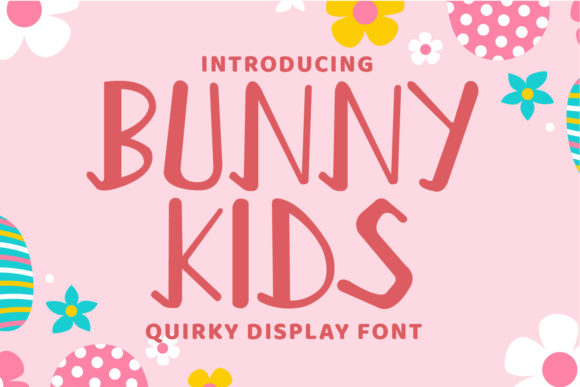
To appreciate the utility of Bunny Kids, one must first analyze its structural DNA. Unlike standard sans-serif or serif fonts that prioritize neutrality, display fonts like Bunny Kids are designed to make a statement. The font features rounded edges, irregular baseline alignments, and varying stroke weights that mimic the hand-drawn quality of crayon sketches or chalkboard writings. These characteristics contribute to its "quirky" reputation, setting it apart from more rigid, corporate typefaces.
- Rounded Geometry: The letters lack sharp corners, creating a soft visual experience that reduces cognitive load and feels safer to younger eyes.
- Irregular Spacing: The slight variations in letter spacing add a human touch, preventing the text from feeling machine-generated or sterile.
- Playful Proportions: Certain characters may feature exaggerated ascenders or descenders, adding character and rhythm to lines of text.
This combination of traits ensures that Bunny Kids remains legible while still delivering a strong personality. It avoids the pitfall of being too difficult to read, which is a common issue with overly stylized novelty fonts. Instead, it strikes a balance where the font enhances the message without overpowering it. For instance, when used in headlines for a kindergarten event, the font immediately signals fun and activity, preparing the reader for the content within.
Practical Applications Across Industries
The versatility of Bunny Kids allows it to be deployed across a wide spectrum of industries, each leveraging its unique qualities to achieve specific goals. While primarily associated with children's products, its appeal extends to sectors that wish to project a friendly, accessible brand image.
Educational Materials and School Projects
Educators are constantly searching for ways to make learning materials visually stimulating. Textbooks, worksheets, and classroom posters often suffer from dry, academic formatting that fails to engage students. By incorporating Bunny Kids into titles, headers, and interactive elements, teachers can create a more inviting atmosphere. Imagine a science worksheet titled "Exploring Bugs" rendered in this font; the playful nature of the text encourages curiosity rather than intimidation.
Furthermore, for home-schooling parents or tutors, using a font like Bunny Kids helps establish a relaxed environment conducive to learning. It signals that mistakes are part of the process and that education can be enjoyable. The authenticity of the font mirrors the genuine, unpolished nature of childhood exploration, reinforcing the idea that learning is a natural, organic process.
Branding for Children’s Products
In the competitive market of toys, clothing, and educational apps, branding is paramount. Parents often choose products based on how well they align with their values regarding safety, creativity, and joy. A brand utilizing Bunny Kids in its logo or packaging communicates these values instantly. The font suggests that the product is safe, high-quality, and designed with care.
Consider a startup launching a line of organic baby clothes. Using Bunny Kids for the tagline or promotional banners adds a layer of trust and warmth. It differentiates the brand from competitors who might use sleek, minimalist fonts that feel cold or expensive. Instead, the quirky display font positions the brand as approachable and community-focused.
Event Invitations and Party Planning
One of the most immediate uses for this typeface is in personal celebrations. Birthday invitations, baby shower cards, and graduation certificates for preschoolers benefit greatly from the celebratory tone of Bunny Kids. The font’s inherent cheerfulness makes it perfect for conveying excitement. Whether digital or printed, the visual impact of the font sets the mood before the recipient even reads the details of the event.
Psychological Impact and Reader Perception
Typography psychology plays a significant role in user experience. Studies have shown that readers associate certain font shapes with specific emotions. Rounded, bubbly fonts are generally perceived as friendly, gentle, and non-threatening. In contrast, angular, sharp fonts can convey aggression, urgency, or formality.
Bunny Kids leverages this psychological association to create a positive first impression. For children, who are still developing their literacy skills, encountering text in a friendly font can reduce anxiety and increase willingness to engage. For adults, such as parents reading a storybook or a teacher reviewing a lesson plan, the font evokes nostalgia and comfort. It reminds them of simpler times, fostering an emotional connection to the material.
This emotional resonance is crucial for creators aiming to build long-term relationships with their audience. When a brand or educator consistently uses a font that resonates positively with their target demographic, they reinforce brand loyalty and trust. The authenticity of Bunny Kids ensures that this connection feels genuine rather than manufactured, which is increasingly important in a digital age saturated with AI-generated content.
Implementation Strategies and Best Practices
While Bunny Kids is a powerful tool, it must be used strategically to maintain effectiveness. Display fonts are best suited for short bursts of text rather than long paragraphs. Overusing such a distinctive typeface can lead to visual fatigue and reduced readability.
- Limit Usage to Headlines: Reserve Bunny Kids for titles, subtitles, and key call-to-action buttons. Use neutral, highly readable fonts like Arial, Helvetica, or Open Sans for body text to ensure accessibility.
- Maintain Contrast: Ensure there is sufficient contrast between the font color and the background. Given the playful nature of the font, bright colors can work well, but readability should never be compromised.
- Pair Carefully: When combining Bunny Kids with other fonts, choose partners that complement its quirks without competing for attention. Simple, geometric sans-serifs are excellent pairings because they provide a stable foundation for the playful headline.
- Consider Context: Be mindful of the context in which the font is used. While it is perfect for a birthday party invitation, it may be inappropriate for formal legal documents or serious medical information. Always align the font choice with the tone and purpose of the communication.
Additionally, designers should pay attention to kerning and leading (line spacing). Because Bunny Kids has irregular shapes, default spacing settings may sometimes result in letters appearing too close or too far apart. Adjusting these parameters manually can enhance the overall aesthetic and ensure that the text flows smoothly.
Future Trends in Child-Centric Design
As the digital landscape evolves, the demand for authentic, human-centric design is growing. There is a noticeable shift away from hyper-polished, corporate aesthetics toward designs that feel more personal and relatable. This trend, often referred to as "neo-brutalism" or "handmade digital," favors imperfection and charm over precision.
Bunny Kids fits perfectly into this emerging paradigm. It represents a move towards typography that acknowledges the humanity behind the design. As more businesses and educators recognize the value of emotional connection in communication, fonts that embody playfulness and authenticity will likely see increased adoption. This does not mean that professional standards will drop; rather, professionalism will be redefined to include empathy and approachability.
For researchers and designers studying user behavior, understanding the impact of such fonts is becoming increasingly relevant. Early indications suggest that content presented in friendly, playful typography retains user attention longer and encourages sharing. This has implications for everything from social media marketing to e-learning platforms.
Conclusion
In summary, Bunny Kids is more than just a cute font; it is a strategic design asset that offers significant benefits for anyone working with children or aiming to evoke a sense of joy and authenticity. Its unique blend of playful aesthetics and functional readability makes it suitable for a wide range of applications, from educational materials to brand identity systems. By understanding its characteristics and implementing it according to best practices, creators can enhance the emotional impact of their work and foster deeper connections with their audiences. As the design world continues to value authenticity and human connection, fonts like Bunny Kids will remain essential tools in the designer’s toolkit, proving that even small details in typography can have a profound effect on perception and engagement.