Rough Comic: A Balanced Look at a Trendy Display Type
In the landscape of digital typography, finding a font that bridges the gap between casual approachability and professional polish is often a challenge. Many display fonts lean too heavily into novelty, sacrificing legibility for style, while others remain so rigid they fail to engage the viewer. Rough Comic occupies a distinct middle ground. It is a cool display font featuring the perfect amount of trendiness, designed to catch the eye without overwhelming the message. For creators, marketers, and small business owners who need to communicate with personality, understanding the specific utility of this typeface is essential before integrating it into their workflow.
Defining the Aesthetic: What Makes Rough Comic Distinct?
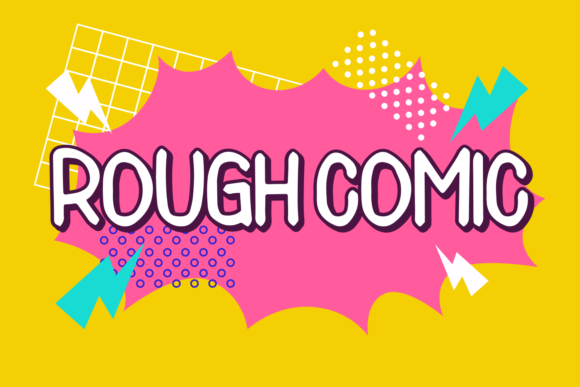
To evaluate any typeface effectively, one must first understand its visual language. Rough Comic is not a standard serif or sans-serif body text font; it is a display font intended for headlines, titles, logos, and short bursts of text. Its name suggests two primary characteristics: a hand-drawn, imperfect quality ("Rough") and a playful, rounded structure ("Comic"). However, describing it merely as "cartoony" undersells its design sophistication.
The font features irregular stroke weights and slightly uneven baselines that mimic the natural variation of hand-lettering. This imperfection is calculated. It gives the letters a tactile, organic feel that contrasts sharply with the sterile precision of geometric sans-serifs like Helvetica or Arial. Yet, unlike many novelty fonts that can appear childish or unprofessional, Rough Comic maintains a level of structural integrity. The characters are well-proportioned, ensuring that even with its stylistic quirks, the text remains readable at various sizes. This balance is what makes it worth discussing in professional design contexts.
- Organic Texture: The edges of the characters have a subtle roughness that adds depth and character.
- Playful Geometry: Rounded terminals and open counters create a friendly, inviting atmosphere.
- Trend-Aware Design: The aesthetic aligns with current trends favoring authenticity, handmade vibes, and informal communication in digital spaces.
Practical Applications and Use Cases
Understanding where a font fits in a project hierarchy is critical. Because Rough Comic is a display font, it is not suitable for long-form body copy. Using it for paragraphs would fatigue the reader due to its high visual weight and irregular spacing. Instead, its strength lies in high-impact, short-duration reading scenarios. Whether you’re using it for crafting, digital designing, presentations, or greeting cards making, it serves specific roles effectively.
Crafting and Physical Products
For small business owners and serious hobbyists involved in physical goods, Rough Comic offers significant value. It translates exceptionally well to print media such as stickers, labels, t-shirts, and packaging. The "handmade" aesthetic resonates with consumers who value artisanal quality and personal touch. When designing product tags for handmade jewelry, candles, or baked goods, this font reinforces the narrative of craftsmanship. It signals to the buyer that the product was made by a human, not just a machine, which can be a powerful differentiator in crowded marketplaces.
Digital Design and Social Media
In the realm of digital marketing, attention spans are short. Social media graphics, particularly for platforms like Instagram and Pinterest, require typography that stops the scroll. Rough Comic’s bold presence and trendy look make it an excellent choice for quote graphics, event announcements, and promotional banners. Its friendly tone helps brands appear more accessible and relatable, which is crucial for building community engagement. However, designers should pair it with clean, simple backgrounds to ensure the text remains the focal point.
Presentations and Educational Materials
Educators and corporate trainers often struggle to find fonts that command attention without appearing overly formal. Rough Comic can soften the delivery of information in slide decks. It works well for section headers, key takeaways, or interactive workshop materials. By breaking the monotony of standard bullet points, it can help maintain audience interest. For bloggers and publishers, it serves as a strong alternative for pull quotes or sidebar elements, adding visual variety to otherwise text-heavy layouts.
Evaluating Quality, Usability, and Flexibility
When assessing the long-term value of a typeface, usability and consistency are paramount. Rough Comic performs well across different mediums, but its effectiveness depends on how it is managed within a design system.
Legibility and Readability
The font’s primary limitation is its reduced legibility at small sizes. In digital interfaces, such as mobile apps or website footers, Rough Comic may become difficult to read. Designers must reserve it for large point sizes where the individual character details can be appreciated. Conversely, at larger scales, its readability improves significantly. The open shapes of the letters prevent them from merging together, even when kerning is tight.
Pairing Potential
A common mistake in typography is overloading a design with competing fonts. Rough Comic has enough personality to stand alone, but it also pairs well with neutral, understated fonts. Pairing it with a clean sans-serif (like Open Sans or Lato) for body text creates a balanced hierarchy. The contrast between the structured body text and the expressive headline allows each element to fulfill its purpose without clashing. This flexibility enhances its utility for freelancers and agencies who need versatile tools for diverse client projects.
Consistency Across Weights
Depending on the specific version or license acquired, the availability of multiple weights (light, regular, bold) can impact versatility. If only a single weight is available, designers must rely on size and color changes to create emphasis. Ideally, a robust font family includes variations that allow for nuanced design choices. Even with limited weights, the inherent character of Rough Comic allows for effective visual storytelling through strategic placement and sizing.
Who Benefits Most from Rough Comic?
Not every designer or business will find Rough Comic to be the right fit. Its niche appeal means it is best suited for specific audiences and goals.
- Brands Seeking Approachability: Companies in the lifestyle, wellness, food, and creative industries benefit from the warm, informal vibe.
- Event Planners and Hosts: Invitations, flyers, and signage for parties, workshops, and local events gain energy and excitement from this font.
- Content Creators: Bloggers and YouTubers looking to establish a unique brand identity can use it to create memorable thumbnails and headers.
- Educators and Coaches: Those creating worksheets, certificates, or course materials can use it to make learning materials feel less rigid and more engaging.
Conversely, businesses in finance, law, healthcare, or technology might find Rough Comic too informal for their core branding. In these sectors, trust and stability are conveyed through cleaner, more traditional typographic choices. Using a playful font in these contexts could undermine perceived credibility.
Limitations and Considerations
No tool is without drawbacks. While Rough Comic is a strong display font, it lacks the subtlety required for nuanced emotional expression. It excels at conveying fun, energy, and creativity, but it struggles with seriousness or elegance. Additionally, because it mimics hand-lettering, it may not scale perfectly to extremely large formats like billboards without losing some of its charm or requiring significant vector adjustment.
Furthermore, designers must be mindful of licensing. As a commercial-grade asset, understanding the terms of use is crucial. Some licenses restrict usage to a certain number of end products or prohibit resale of the font file itself. Ensuring compliance protects both the designer and the client from legal issues.
Final Thoughts on Integration
Rough Comic is a specialized tool that delivers on its promise of being a cool display font with the perfect amount of trendiness. It is not a universal solution for all typographic needs, but within its domain, it is highly effective. For professionals who understand how to leverage its personality, it can elevate designs from generic to distinctive. Whether used in a digital presentation or printed on a greeting card, it brings a sense of warmth and authenticity that resonates with modern audiences. By recognizing its strengths in display applications and respecting its limitations in body text, designers can integrate Rough Comic into their workflows with confidence, enhancing the visual communication of their projects.