Marcgravia: A Detailed Analysis of a Luxury Display Typeface
In the landscape of digital typography, selecting the right font is rarely just about readability; it is often about establishing an immediate visual tone. For designers, brand managers, and creative directors working on high-end projects, the distinction between a standard typeface and a display font lies in its ability to convey mood, texture, and exclusivity without requiring additional graphical elements. Marcgravia enters this space not merely as a decorative option, but as a sophisticated tool designed to inject a luxury spark into design projects. This analysis explores the technical specifications, aesthetic qualities, and practical applications of Marcgravia, evaluating its suitability for professional workflows ranging from editorial design to digital marketing.
The Essence of Marcgravia: Style and Detail
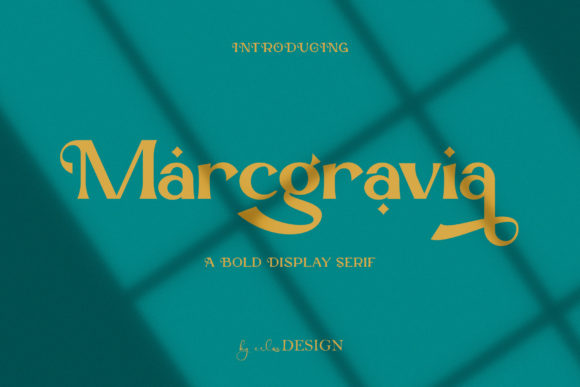
Marcgravia is categorized as a stylish and detailed display font. Unlike text-oriented typefaces that prioritize legibility at small sizes across long paragraphs, display fonts are engineered to command attention at larger scales. The character design of Marcgravia reflects a meticulous attention to detail, featuring intricate glyph structures that suggest elegance and refinement. The name itself, derived from a genus of flowering plants known for their exotic blooms, hints at the organic yet structured nature of the letterforms.
What makes Marcgravia distinct is its balance between ornamental flair and structural integrity. In many luxury design contexts, overly complex fonts can become illegible or visually noisy. Marcgravia avoids this pitfall by maintaining clear counter-spaces and consistent stroke weights where they matter most. The "luxury spark" mentioned in its description is achieved through subtle flourishes and precise geometric alignments that catch the eye without overwhelming the viewer. This makes it particularly effective for headlines, logos, and cover art where the first impression must be one of quality and sophistication.
Technical Specifications and Usability
For professionals who integrate typography into daily workflows, technical robustness is as important as aesthetic appeal. One of the standout features of Marcgravia is its encoding method. The font is PUA encoded, which stands for Private Use Area encoding. While this might sound like a niche technical detail, it has significant implications for usability and flexibility in design software.
- Access to Special Glyphs: PUA encoding allows designers to access a wide array of amazing glyphs and ligatures that may not fit into standard Unicode blocks. This includes alternative characters, swashes, and decorative variants that enhance the visual richness of a design.
- Ease of Implementation: Because these special characters are mapped to specific keys in the PUA, accessing them is straightforward once configured. Designers do not need to rely on external plugins or complex scripting to insert unique symbols; they can simply type the assigned key combination.
- Compatibility Considerations: It is important to note that PUA-encoded fonts require the recipient’s system to have the same font installed to view the special characters correctly. If the font is missing, those specific glyphs may appear as boxes or fallback characters. Therefore, embedding the font in web projects or using it in print workflows requires careful management to ensure consistency.
This encoding choice suggests that Marcgravia is intended for use cases where the designer retains control over the final output environment, such as print materials, static images, or controlled digital presentations. It is less suited for open web environments where font loading reliability is paramount, unless paired with robust fallback strategies.
Practical Applications and Real-World Performance
Understanding where Marcgravia performs best requires looking at specific use cases. Its strength lies in short-form text where impact is prioritized over volume. Below are several scenarios where this font demonstrates its value.
Brand Identity and Logos
For startups, boutique agencies, or established brands seeking a refresh, Marcgravia offers a ready-made solution for conveying premium status. The detailed nature of the letters allows for the creation of custom logotypes that feel bespoke rather than generic. When used in monochrome or metallic color palettes, the intricate details of the font catch light and shadow effectively, adding depth to flat designs.
Editorial and Publication Design
In magazine layouts, book covers, or catalog headers, Marcgravia can serve as a powerful anchor for visual hierarchy. It works exceptionally well for pull quotes, section dividers, and chapter titles. The font’s ability to add a "luxury spark" means it can elevate simple white-space layouts, turning a clean page into something that feels curated and expensive. Educators and publishers creating high-value educational materials or coffee-table books may find it useful for enhancing the perceived value of their content.
Digital Marketing and Social Media
While PUA encoding presents challenges for dynamic web text, Marcgravia is highly effective for static digital assets. Social media graphics, email newsletter headers, and banner ads benefit from the font’s ability to stand out in crowded feeds. Marketers targeting audiences interested in fashion, beauty, jewelry, or luxury travel will find the aesthetic alignment natural. The font communicates exclusivity, which is a key psychological trigger for these demographics.
Evaluating Quality and Long-Term Value
When assessing any typeface for long-term use, consistency and versatility are critical metrics. Marcgravia maintains a coherent voice across its character set. The ligatures are not random additions but are integrated seamlessly into the overall style, ensuring that combinations of letters flow naturally. This consistency reduces the cognitive load on the designer, who does not need to constantly adjust spacing or select alternatives to maintain harmony.
However, the font’s specificity is also its limitation. Marcgravia is not a workhorse font suitable for body copy. Attempting to use it for lengthy text would result in reader fatigue and poor accessibility scores. Its value is strictly tied to its role as a display element. Professionals should view it as a specialized tool in their arsenal rather than a primary typeface. This focused utility actually enhances its long-term value, as it solves a specific problem—adding instant elegance—with precision.
Who Benefits Most from Marcgravia?
Identifying the right user base helps clarify the font’s practical relevance. The following groups are likely to derive the most benefit from incorporating Marcgravia into their projects:
- Freelance Graphic Designers: Those specializing in branding and packaging can use Marcgravia to offer clients a distinctive typographic option that differentiates their work from competitors using more common serif or sans-serif fonts.
- Entrepreneurs and Small Business Owners: Founders in luxury niches, such as artisanal goods or high-end services, can use this font for business cards, menus, and signage to project professionalism and taste without hiring a custom type foundry.
- Content Creators and Bloggers: Visual bloggers who focus on lifestyle, travel, or design can enhance their featured images and infographics with Marcgravia, increasing engagement through higher-quality visuals.
- Marketers and Agency Teams: Campaigns that require a sense of urgency combined with prestige, such as limited-edition product launches, can leverage the font’s bold and detailed presence to drive interest.
Considerations for Implementation
To get the most out of Marcgravia, users should adhere to best practices regarding contrast and context. Pairing Marcgravia with simpler, neutral typefaces for supporting text is recommended. The complexity of the display font needs room to breathe; cluttered backgrounds or competing visual elements will diminish its impact. Additionally, due to the PUA encoding, designers should export final designs as PDFs or images when sharing files to preserve the integrity of the special glyphs. For web implementation, converting text to outlines or using image-based headers is a safer approach than attempting to load the font dynamically via CSS, which may fail if the user does not have the font locally installed.
Conclusion
Marcgravia represents a thoughtful entry into the market of luxury display fonts. It succeeds by balancing intricate detail with functional usability, offering designers a reliable way to add sophistication to their projects. While its PUA encoding requires careful handling, the payoff is access to a rich library of glyphs that enhance visual storytelling. For professionals aiming to create designs that resonate with themes of elegance and exclusivity, Marcgravia provides the necessary tools to execute that vision effectively. It is not a universal solution, but within its specific domain, it proves to be a valuable and impactful asset.