Grassroot Font Review: Street Art Aesthetics for Modern Design
In the landscape of digital typography, few styles capture the raw energy and rebellious spirit of urban culture as effectively as graffiti-inspired typefaces. Among the many options available to designers, Grassroot stands out as a distinctive choice for projects that demand immediate visual impact. This display font brings a gritty, authentic street art vibe to digital and print media, offering a unique alternative to clean, corporate sans-serifs or traditional serif fonts.
For professionals ranging from freelance graphic designers and marketing agencies to small business owners in the fashion and sports industries, selecting the right typeface is a critical decision. It sets the tone, communicates brand identity, and influences consumer perception. Grassroot is not merely a decorative element; it is a functional tool designed to evoke specific emotions and associations. This review examines the practical applications, technical features, and aesthetic qualities of Grassroot to help you determine if it fits your creative workflow.
Understanding the Aesthetic: What Makes Grassroot Unique?
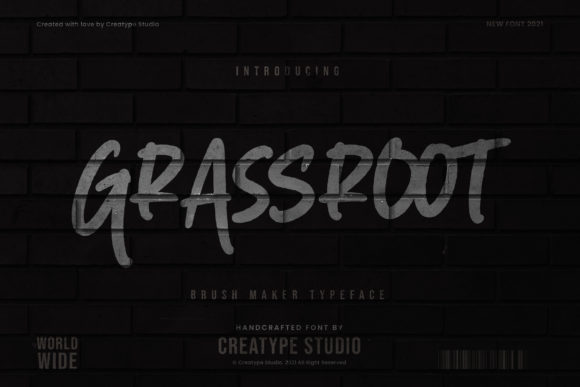
At its core, Grassroot is an awesome, graffiti-styled display font. However, describing it simply as "graffiti" does not fully capture its design philosophy. Unlike some street-style fonts that feel chaotic or illegible, Grassroot strikes a balance between artistic expression and readability. The glyphs are crafted with a hand-drawn sensibility, featuring irregular edges, varying stroke weights, and dynamic angles that mimic the look of spray paint on concrete or brick.
The font’s primary strength lies in its ability to convey authenticity. In an era where consumers are increasingly skeptical of polished, overly commercialized imagery, the rough-around-the-edges texture of Grassroot offers a sense of genuineness. It suggests movement, creativity, and a connection to youth culture. This makes it particularly effective for brands that want to position themselves as edgy, innovative, or deeply rooted in subcultures.
When you incorporate Grassroot into a design, you are immediately signaling that the content is bold and unapologetic. It works best when used sparingly as a display font—for headlines, titles, and key messaging—rather than for body text. Its character is too strong to be diluted by paragraphs of smaller copy, but as a focal point, it commands attention.
Technical Features and Usability
One of the most significant advantages of Grassroot for professional designers is its encoding structure. The font is PUA (Private Use Area) encoded. To understand why this matters, it is helpful to look at how standard fonts operate. Typically, a font maps characters to specific Unicode code points. If a designer wants to use a special ligature or alternate glyph, they might need to navigate complex menus or rely on OpenType features that are not always supported across all software platforms.
PUA encoding changes this dynamic. By placing glyphs in the Private Use Area, Grassroot allows access to a vast library of amazing glyphs and ligatures with ease. While this requires a slightly different approach to inputting text—often involving custom keyboard shortcuts or specialized input methods—the payoff is substantial. Designers can mix and match elements, create custom letter combinations, and utilize intricate ligatures that would otherwise be inaccessible. This flexibility empowers creators to tailor the typography precisely to their vision, ensuring that no two designs using Grassroot have to look identical.
This level of customization is invaluable for branding projects. A logo designer might use a specific ligature to integrate a symbol into a wordmark, while a t-shirt designer might combine individual glyphs to spell out a phrase with a unique stylistic flair. The PUA encoding removes barriers to entry, allowing even those without advanced typographic skills to achieve professional-looking results.
Practical Applications Across Industries
Given its versatile yet distinct style, Grassroot finds natural application in several key sectors. Its suitability extends beyond just visual appeal; it aligns with the values and aesthetics of specific target audiences.
Fashion and Sportswear
The clothing industry has long embraced streetwear aesthetics, and Grassroot is perfectly suited for this market. Whether designing t-shirts, hoodies, sneakers, or athletic gear, the font adds a layer of attitude that resonates with younger demographics. Its rugged appearance pairs well with bold graphics and high-contrast color schemes. For sportswear brands, the dynamic nature of the letters can suggest speed, power, and endurance, making it an excellent choice for team logos, event posters, and promotional materials.
Logos and Brand Identity
Creating a memorable logo often involves finding a balance between uniqueness and recognition. Grassroot offers a high degree of uniqueness due to its stylized forms. Small businesses in creative fields—such as tattoo parlors, skate shops, music venues, and cafes—can leverage this font to establish a strong visual identity. The font’s inherent personality helps these brands stand out in crowded markets. However, designers must exercise caution to ensure legibility, especially when scaling the logo down for social media avatars or business cards.
Advertisements and Promotional Materials
In the realm of advertising, grabbing attention within seconds is crucial. Grassroot excels in this regard. Its bold strokes and artistic flourishes make it ideal for billboards, flyers, posters, and social media ads. When paired with vibrant colors or photographic backgrounds, the font pops off the screen or page. It is particularly effective for limited-time offers, concert announcements, and product launches that aim to generate excitement and urgency.
Clothing and Merchandise Design
Beyond fashion, Grassroot is suitable for a wide range of merchandise. From tote bags and stickers to phone cases and notebooks, the font adds a touch of urban cool to everyday items. Print-on-demand entrepreneurs will find it especially useful, as it appeals to a broad audience interested in art, culture, and self-expression. The font’s adaptability allows for easy integration into various design templates, streamlining the production process.
Evaluating Quality and Long-Term Value
When assessing any typeface, quality is paramount. Grassroot demonstrates a high level of craftsmanship in its glyph design. The lines are clean, the curves are smooth, and the details are consistent throughout the set. There is a noticeable effort to maintain the integrity of the graffiti style while ensuring that each character remains distinct and usable. This consistency is vital for maintaining a professional appearance in final designs.
Flexibility is another key metric. As noted earlier, the PUA encoding provides extensive options for customization. This reduces the need to purchase additional font packs or hire illustrators to create custom lettering from scratch. For freelancers and small agencies working with tight budgets and deadlines, this efficiency translates directly into cost savings and faster turnaround times. The font’s reliability across different design software ensures that files open correctly and render as intended, minimizing technical headaches.
However, it is important to acknowledge potential limitations. Because Grassroot is a display font, it is not suitable for long-form reading. Attempting to use it for body copy will result in poor readability and user fatigue. Additionally, the informal nature of the font may not align with industries that require a more formal or conservative tone, such as law, finance, or healthcare. Designers must carefully consider their audience and context before deploying Grassroot. Misapplication can lead to a disconnect between the message and the medium, undermining the effectiveness of the communication.
Who Benefits Most from Grassroot?
Grassroot is particularly beneficial for:
- Freelance Graphic Designers: Those looking to add a ready-made, high-quality street art element to their portfolio without spending hours drawing custom letters.
- Social Media Managers: Individuals creating eye-catching posts and stories for brands in lifestyle, entertainment, and retail sectors.
- Small Business Owners: Entrepreneurs who need affordable, impactful branding solutions for their startups, especially in creative or youth-oriented niches.
- Content Creators and Bloggers: Writers who produce content related to urban culture, art, music, or fashion and want their headers to reflect the subject matter.
For educators and publishers, Grassroot can be a valuable resource for teaching design principles related to typography and cultural aesthetics. It serves as a practical example of how font choice influences mood and perception. Serious hobbyists involved in DIY crafts, scrapbooking, or personal project design will also appreciate the ease of use and visual appeal of the font.
Final Thoughts on Integration
Ultimately, Grassroot is a powerful asset for anyone seeking to inject energy and personality into their visual communications. Its combination of aesthetic charm and technical usability makes it a standout option in the crowded field of display fonts. By understanding its strengths and respecting its limitations, designers can leverage Grassroot to create compelling, memorable work that resonates with audiences.
If your project calls for a bold, authentic, and dynamic voice, Grassroot delivers. It bridges the gap between underground art and mainstream design, offering a versatile tool that adapts to various creative needs. As you explore your next design challenge, consider how the raw, expressive nature of Grassroot might elevate your message. With careful planning and thoughtful application, this font can transform ordinary layouts into striking visual statements.